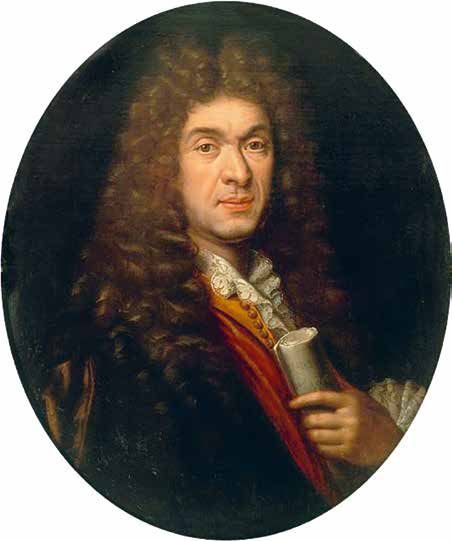
Jean-Baptiste Lully, a central figure in the birth of Baroque music, revolutionised French court music under Louis XIV. His innovative compositions and mastery of orchestral performance transformed the musical landscape.
From Humble Origins to Royal Favourite
You’ve probably already heard of Louis XIV, King of France, and his influence during his reign. He was a powerful figure who left his mark on our times. Under him, another important figure in France changed the way music evolved through his composition and performance. He was the precursor of the Baroque era, and his name is Jean-Baptiste Lully. This composer devoted himself to art at the court of “Roi Soleil”. His role was also to promote the actions of Louis XIV. Fun fact: the King of France was also passionate about the arts, particularly music, which corresponded to his spirituality. Lully‘s constant work was appreciated by high society to such an extent that he became an emblem of Baroque music.
Collaboration and Conflict with the King: Lully’s Influence and Temperament
However, the composer had his own temper and was stubborn: he didn’t like to be contradicted, even by the King! Once, during their collaboration, an argument broke out and ended the career of the precursor of Baroque music.
Tragic End: The Curious Story of Lully’s Death
Many people already know that his death was both stupid and funny. But do you know why? Imagine composing for months on behalf of the King, with each piece having to be as innovative as it was respectful of the pride of his kingdom.
On the day of the official performance of the “Te Deum”, tragedy struck Lully. In a sudden movement of his conductor’s baton, which resembled more of a huge solid wooden stick, he tragically exerted strong pressure on his foot, leaving a hole in the flesh. Terrible isn’t it? Or perhaps not so much at that time… Although deeply wounded, he continued to conduct his orchestra and completed the finest work ever produced upon the reign of Louis XIV. Lully died in 1687 tragically while trying to treat his foot, which had become gangrenous.
Essential Works: Le Bourgeois Gentilhomme, Te Deum, and More
If you would like to draw further inspiration from his remarkable work, I recommend listening to “Le Bourgeois Gentilhomme: Marche pour la cérémonie des turcs” – and maybe you’ll find something new to add to your playlist.